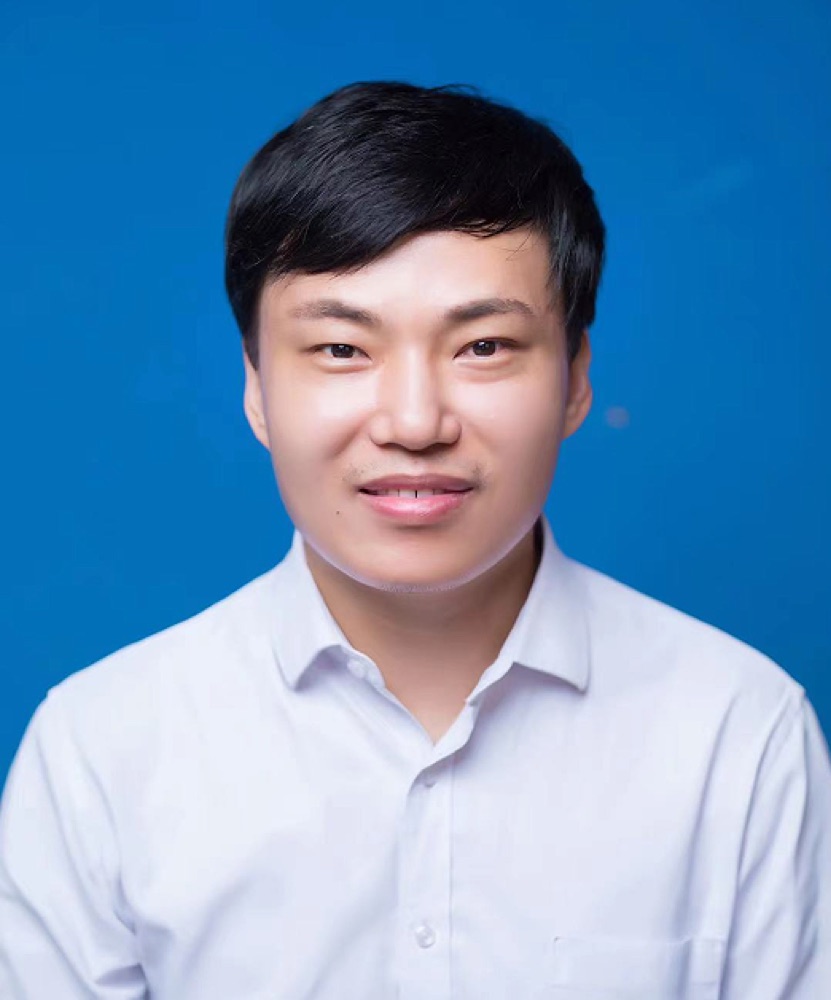
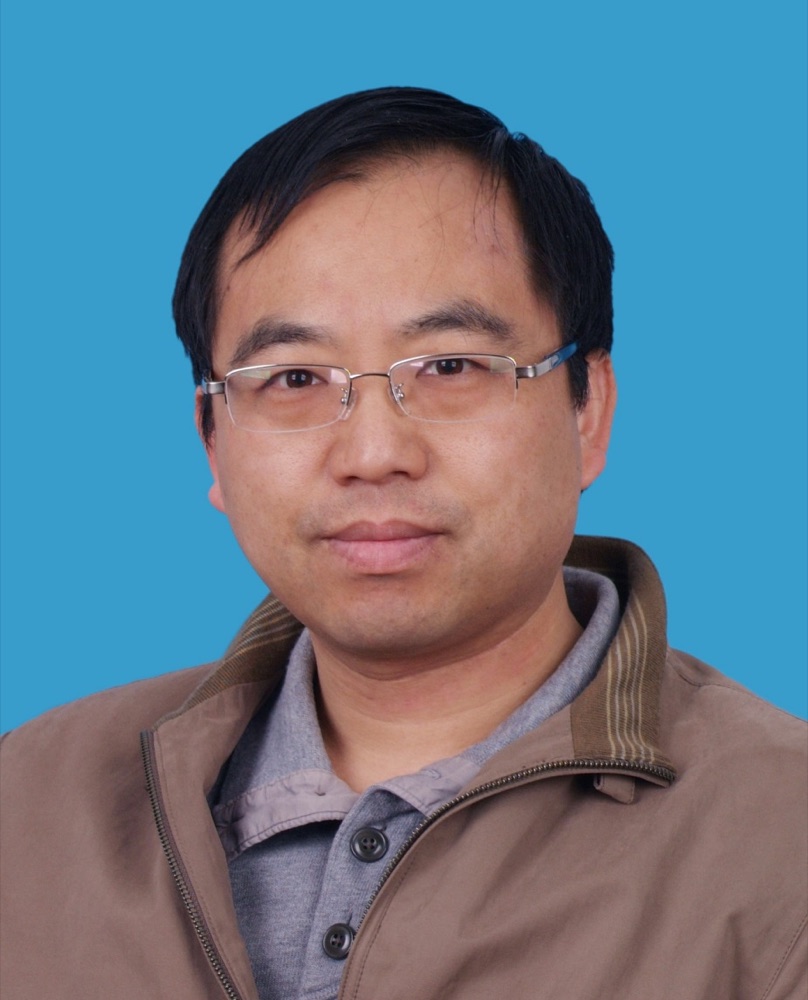
BI Guoqiang (毕国强)
Professor, Principal Investigator教授,课题组负责人
Prof. Bi Guoqiang graduated from the Department of Physics at Peking University with a Bachelor of Science in 1989. He obtained a Master of Science in Physics from New York University in 1991 and a Ph.D. in Biophysics from the University of California, Berkeley, in 1996. From 1996 to 2000, he conducted postdoctoral research at the University of California, San Diego. From 2000 to 2008, he served as an assistant professor and then an associate professor (tenured) in the Department of Neurobiology at the University of Pittsburgh School of Medicine. He received several academic awards, including the Burroughs Wellcome Fund Career Award in the Biomedical Sciences and the Chancellor’s Distinguished Research Award. In 2007, he returned to China to establish a neurophysics laboratory and was appointed as one of the first new chair professors at the University of Science and Technology of China (USTC) in 2008.
Prof. Bi is an internationally renowned biophysicist and neurobiologist, known for his significant contributions to the biophysical mechanisms of cell membrane repair, computational rules and signaling mechanisms of synaptic plasticity, and the cellular dynamics of neural network reverberation. His discovery of spike-timing-dependent plasticity (STDP) and subsequent research on its molecular and cellular mechanisms and computational rules have advanced the field and had a broad impact on information science and artificial intelligence. He has published over 100 papers in journals such as Science, Nature, Nat Neurosci, Nat Biotech, Natl Sci Rev, PNAS, Ann Rev Neurosci, with more than 16,000 citations, including over 5,000 citations for a single paper. He has been continuously selected as Elsevier’s Highly Cited Chinese Researchers and the top scientist with global career influence in the field of neuroscience.
He is currently Co-Director of the Integrated Imaging Center at the Hefei National Research Center for Microscale Material Science. He also serves as the executive council member of the Chinese Neuroscience Society, a committee member of the Cryo-Electron Microscopy Branch of the Chinese Biophysical Society, a standing committee member of the Biomedical Photonics Professional Committee of the Chinese Optical Society, and a working group member of the International Brain Initiatives (IBI). Additionally, he is the Associate Editor of the international journal Frontiers in Neural Circuits, and an editorial board member of Current Opinion in Neurobiology, Molecular Brain and Neuroscience Bulletin. He leads major research projects, including the National Key Basic Research Development Program, CAS interdisciplinary collaboration projects, CAS Strategic Priority Research Program, NSFC major research programs, and NIH BRAIN Initiative.
Research Interest
The brain consists of myriad neurons that connect with one another through heterogeneous and plastic synaptic connections, forming highly ordered circuits with multi-scale complexity. Neuronal activity within and across these circuits shapes their connectivity and underlies perception, emotion, decision and learning in animals and human.
Towards understanding this complex system, Dr. Bi’s group aims at developing and applying cutting-edge light and electron microscopy techniques, as well as AI-based data analysis methods, to explore the organization and activity of the brain across multiple spatiotemporal scales. The ultimate goal is to understand the logic behind the structure and dynamics of brain circuits, to reveal basic mechanisms underlying brain function and dysfunction, and to inspire next generation artificial intelligence.
- Architecture of synapses and neuronal circuits;
- Synaptic plasticity and learning in vitro, in vivo and in silico;
- Cross-scale imaging, AI-based big data techniques and their biomedical applications.
讲席教授 博导 国家级人才项目 国家杰青 国家高层次人才特殊支持计划科技创新领军人才
1989年毕业于北京大学物理系,获理学士学位,1991年获纽约大学物理学硕士,1996年获加州大学伯克利分校生物物理学博士,1996-2000年于加州大学圣地亚哥分校从事博士后研究,2000-2008年任美国匹兹堡大学医学院神经生物学系助理教授、副教授(终身教职),获Burroughs Wellcome Fund Career Award in the Biomedical Sciecnes、Chancellor’s Distinguished Research Award等学术奖。2007年回国组建神经物理学实验室,2008年受聘中科大首批新创讲席教授。
毕国强教授是国际知名生物物理与神经生物学家,在细胞膜修复的生物物理机理、神经突触可塑性计算规则与信号机制、以及神经网络回响活动的细胞动力学机理等方面做出了重要贡献。其关于神经放电时间依赖的突触可塑性(Spike-timing-dependent plasticity,STDP)的发现以及关于STDP的分子细胞机制和计算规则的一系列研究促进了本领域的发展,并在信息科学、人工智能等领域产生了较广泛的影响。在Science、Nature、Nat Neurosci、Nat Biotech、Natl Sci Rev、PNAS、Ann Rev Neurosci等权威期刊发表论文100余篇,被引16000余次,最高单篇被引5000余次。连续入选爱思唯尔中国高被引学者及全球神经科学领域生涯影响力顶尖科学家。
现任合肥微尺度物质科学国家研究中心集成影像中心联合主任。兼任中国神经科学学会常务理事、中国生物物理学会冷冻电子显微学分会委员、中国光学学会生物医学光子学专业委员会常委、国际脑计划组织(International Brain Initiatives, IBI)工作组成员,同时兼任Frontiers in Neural Circuits 国际期刊副主编,以及Current Opinion in Neurobiology、Molecular Brain、Neuroscience Bulletin等期刊编委。主要主持科研项目包括国家重点基础研究发展计划重大研究计划项目、中科院交叉合作团队项目、中科院B类战略性先导科技专项项目、基金委重点项目、重大研究计划集成项目、美国脑计划项目等。
研究方向
大脑由数量庞大的神经元构成。这些神经元通过具有异质性和可塑性的突触相互连接,形成具有多尺度复杂性且高度有序的神经环路。环路内部及环路之间的神经活动不断塑造其联结,并构成动物和人类感知、情绪、决策与学习的基础。
为理解这一复杂系统,毕国强课题组致力于发展和应用前沿光学与电子显微技术以及基于人工智能的数据分析方法,从多个时间和空间尺度研究大脑的组织构架与活动。其最终目标是理解脑环路结构与动力学背后的基本逻辑,揭示脑功能及功能障碍的基础机制,并为新一代人工智能提供启发。
- 突触与神经环路的结构构架;
- 离体、活体和计算模拟中的突触可塑性与学习;
- 跨尺度成像、基于人工智能的大数据技术及其生物医学应用。